
Rivers and Coasts Contamination Hotspots
Heavy metals, such as cadmium, beryllium, uranium, mercury (Hg), arsenic and lead have no beneficial role in body functioning and are very harmful even in low concentrations due to their toxicity . These metals are highly persistent and non-degradable in the environment . Mercury is a highly toxic and mobile heavy metal having a high tendency of bioaccumulation and biomagnification in the ecosystem.
Contamination Freshwater Resources
The developing countries persist in artisanal mining , even if illegal , but enforcement of environmental laws is almost non-existent. Pakistan is a potential hotspot of Hg contamination with a maximum of 36,900 kg year−1 into the environment, originating mainly from anthropogenic processes such as coal production , chlor-alkali plant light product manufacturing units, cement industries, dental clinic wastes, incinerators and other coal-based primary and secondary unit operations . In the northern mountainous areas, amalgamation and smelting in gold panning activities is taking place along the Gilgit, Hunza and Indus rivers causing widespread Hg contamination of freshwater resources in these and other low-lying regions of Pakistan . Artisanal gold mining uses liquid mercury to form an amalgam with gold containing ore and subsequent heating evaporates the mercury, leaving behind the gold contained within the ore . The burning of mercury transforms it into an odourless gas which is inhaled . Around 97 % of Pakistan’s coal resources are considered lignite being which is high in Hg posing severe environmental risks and poisoning of the water table . Reportedly there is 8–14 fold higher Hg concentration in coal samples from the Thar coalfield with a mean concentration ranging from 1.120 mg kg−1 compared to global mean concentration of 0.10 mg kg−1 .
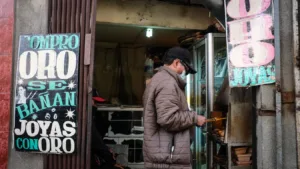 Credit;Salud con lupa
Unborn Infants
Inhaling mercury vapour is extremely dangerous, and those that manipulate the mercury directly in the process of gold extraction especially by burning mercury, are therefore most at risk. Through the use of contaminated soil and water for livestock and crops, mercury can also enter the food chain. Communities near artisanal mining locations gradually accumulate mercury in their bodies, which is especially dangerous for pregnant women, children and the elderly. Mercury is a neurotoxin and unborn infants are the most vulnerable on growing brains and nervous systems . Extended exposure to mercury can damage kidneys, impair hearing, vision and balance.
Minamata Convention & Ship Recycling

Credit ;
https://www.sciencedirect.com/science/article/abs/pii/S0269749122002093
https://www.un-ihe.org/dark-side-gold-dangerous-effects-mercury-used-artisanal-gold-mining

Leave A Comment